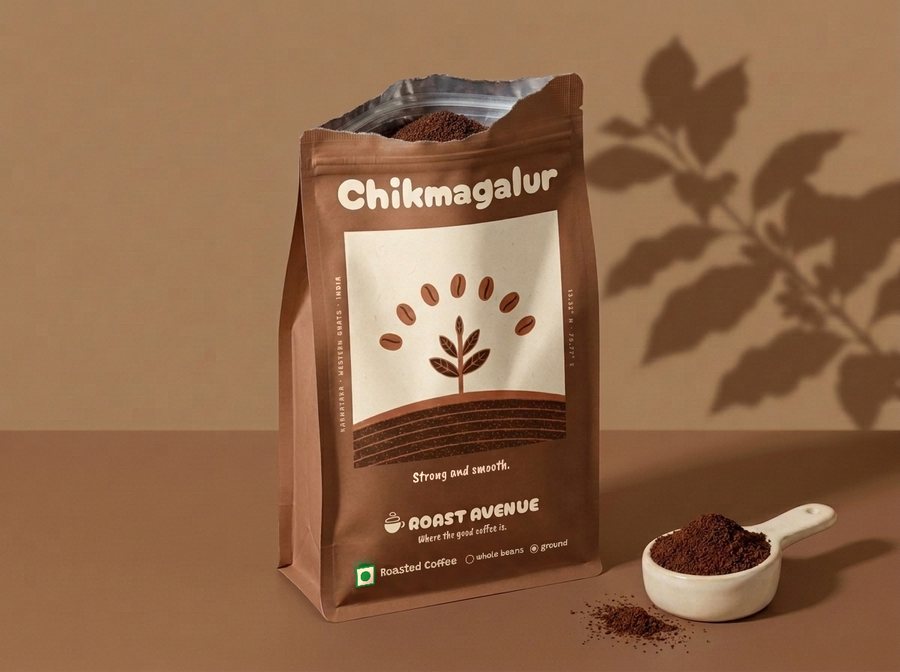
Karnataka · Western Ghats
Chikmagalur
Strong and smooth.
Grown at about 700 to 1,200 metres, in the Western Ghats.
13.32° N · 75.77° E

Your bag
We aren’t taking orders yet. Your bag is kept here till we open.
Your bag is empty. Pick a coffee or a brewer and add it here.
Total
You’re on the list.
We’ll write to the day orders open. Your bag stays here till then.
HomeAbout us
Roast Avenue began with one person who loves coffee and wanted good, fresh coffee to be easy to get. Everything we sell is single-origin coffee: the coffee in a bag comes from one place, and the front of the bag names it.
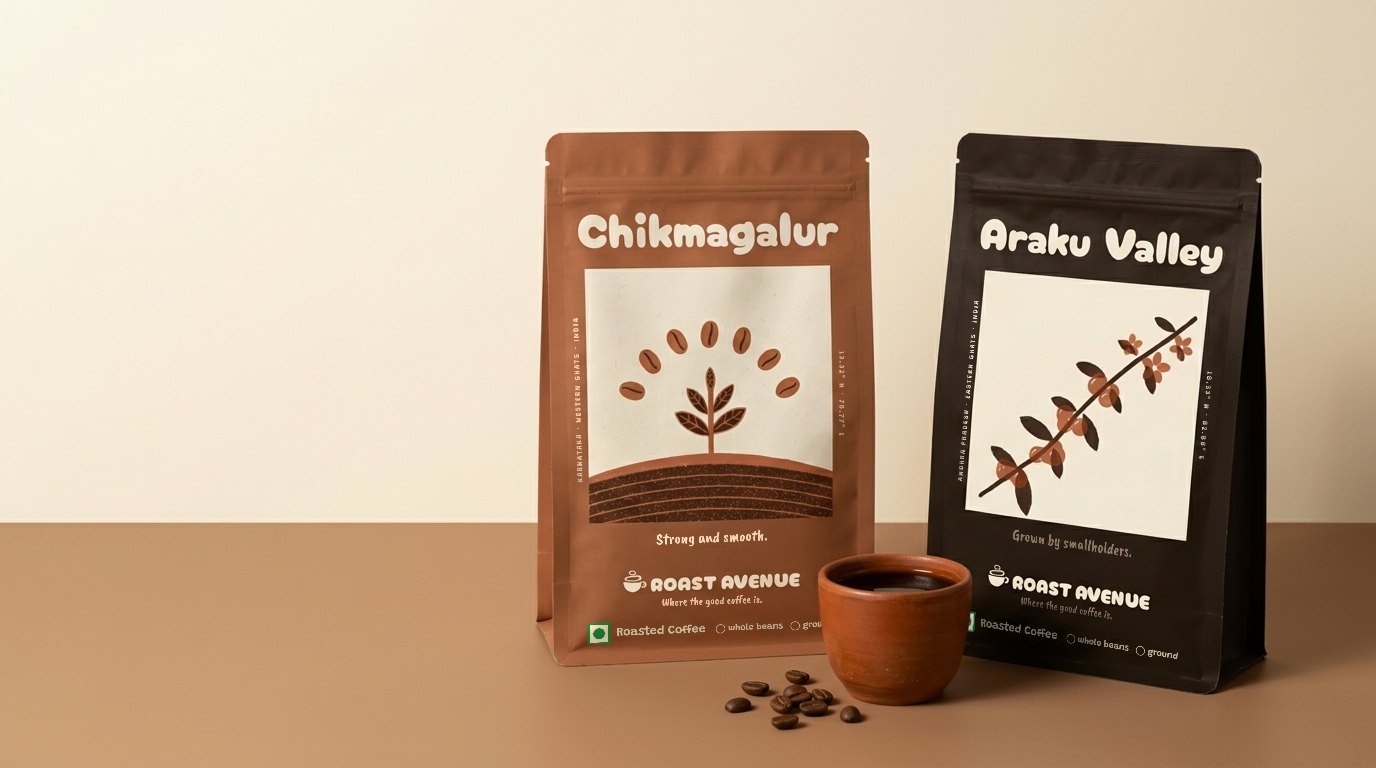
On every bag
Karnataka · Western Ghats
Strong and smooth.
13.32° N · 75.77° E
Andhra Pradesh · Eastern Ghats
Light and fruity.Mild and chocolatey.Fruity, with a chocolate finish.Bright and sweet.
18.33° N · 82.88° E
one place in every bag
Karnataka · Western Ghats
Strong and smooth.
Grown at about 700 to 1,200 metres, in the Western Ghats.
13.32° N · 75.77° E
Andhra Pradesh · Eastern Ghats
Light and fruity.Mild and chocolatey.Fruity, with a chocolate finish.Bright and sweet.
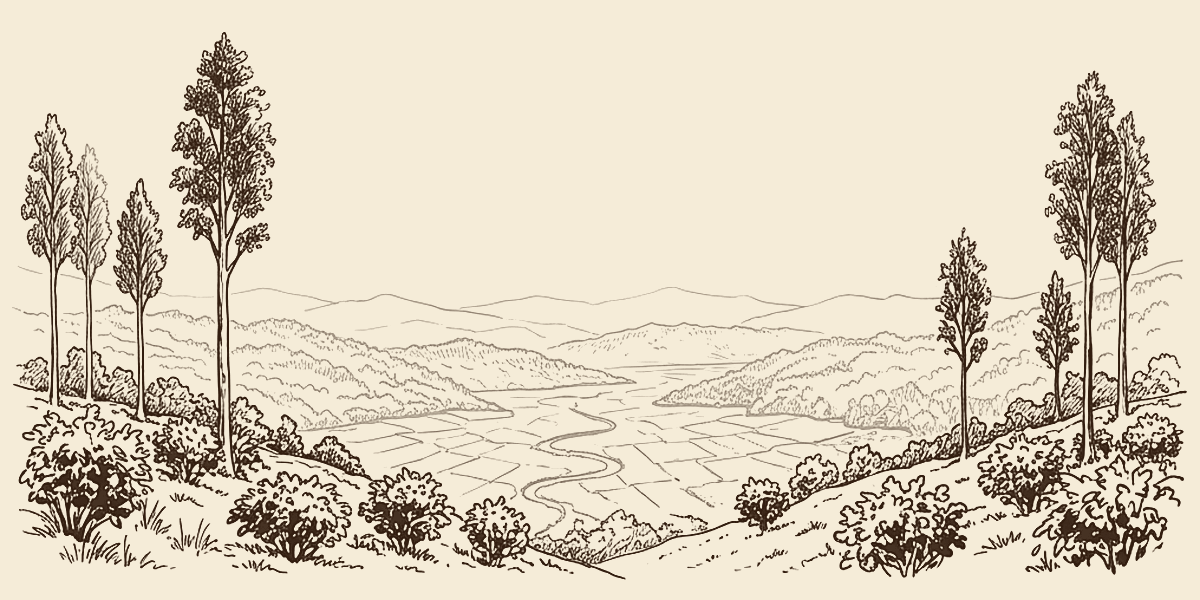
Grown by smallholders at about 900 to 1,100 metres, in the Eastern Ghats.
18.33° N · 82.88° E
In the 1600s
India’s Coffee Board begins the country’s coffee with a pilgrim named Baba Budan. In the 1600s, it says, he carried seven coffee beans home from Mocha, in Yemen, and planted them in the hills of Chikmagalur.
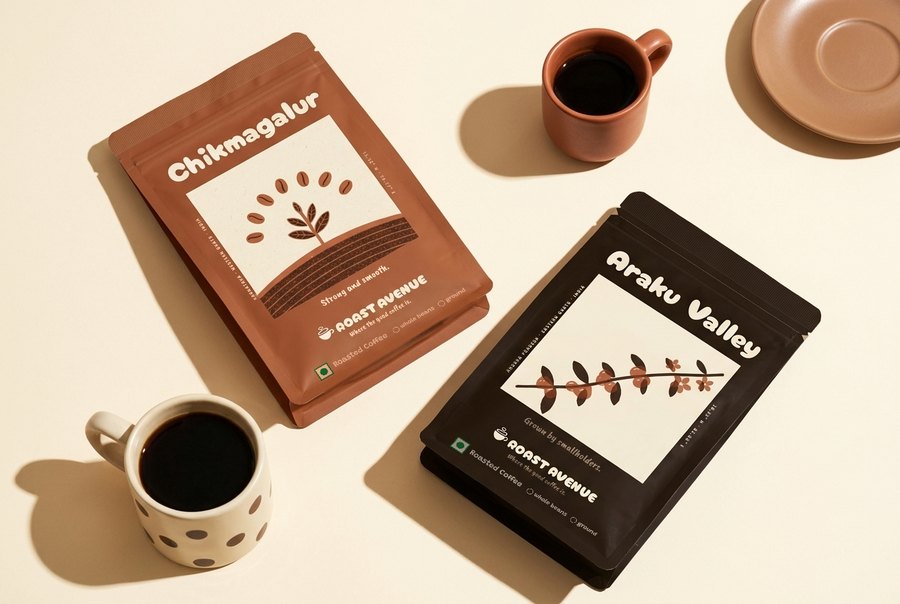
We carry ours a shorter way. It grows in India’s hills, in Chikmagalur and Araku Valley so far, and comes to your door roasted, packed and dated, as whole beans or ground for the way you brew.
One place in every bag, and the bag names it.
Today
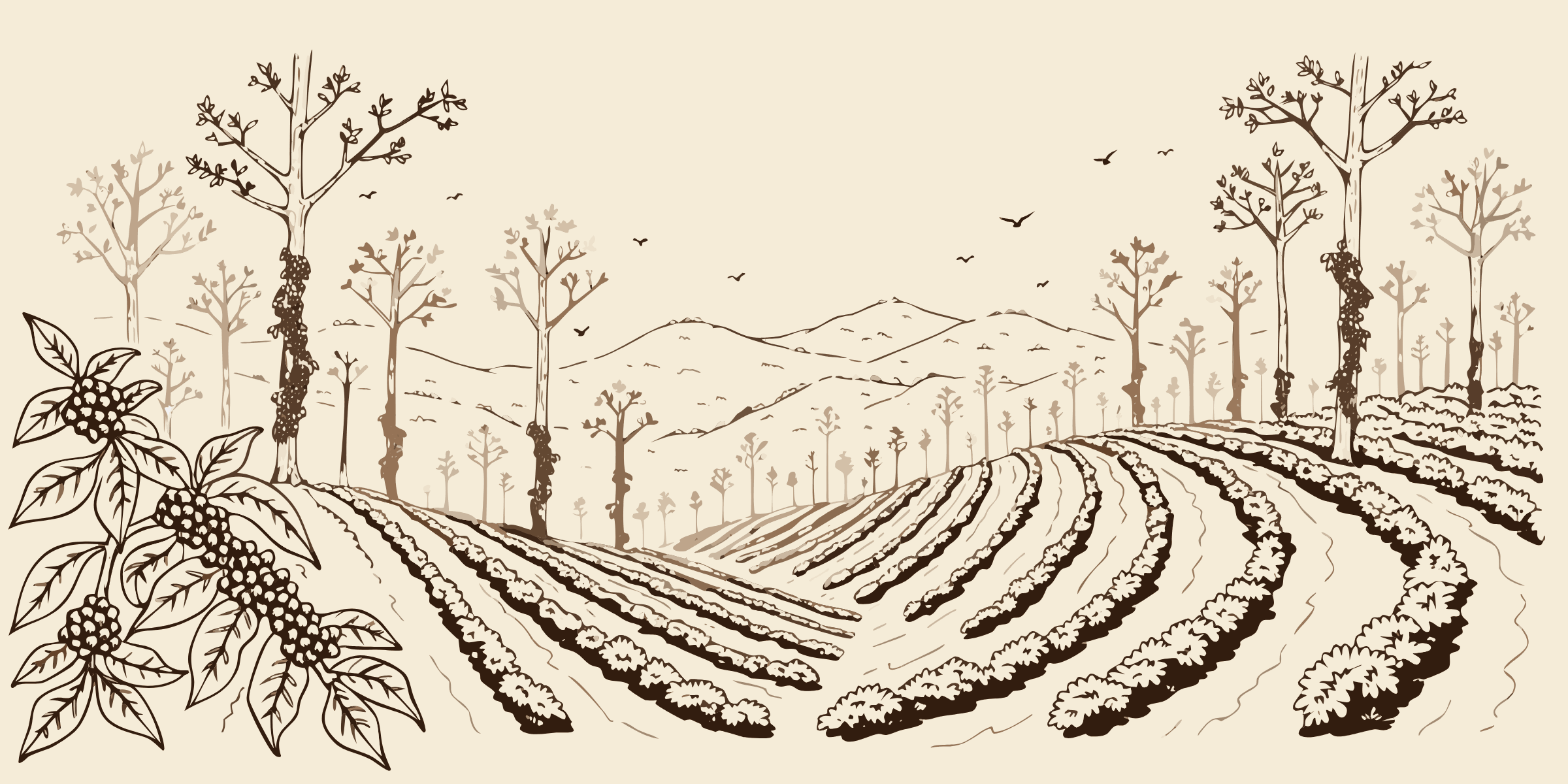
Chikmagalur’s coffee grows at about 700 to 1,200 metres, in the Western Ghats. Araku Valley’s is grown by smallholders at about 900 to 1,100 metres, in the Eastern Ghats.
Roasted
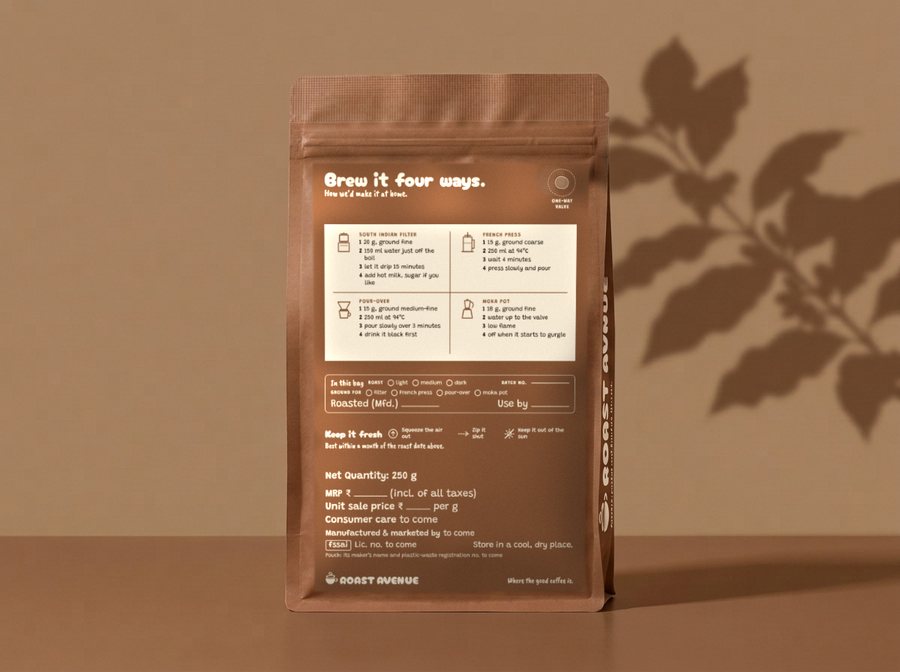
As whole beans, or ground for the way you brew: a South Indian filter, a French press, a pour-over or a moka pot. Or drip bags, if you have no brewer.
On the back
The roast date and the use-by date are stamped on the back of every bag. It’s best within a month of the roast date.
Your door
We ship across India. One place in every bag, and the bag names it.
one place in every bag
Karnataka · Western Ghats
Strong and smooth.
Grown at about 700 to 1,200 metres, in the Western Ghats.
13.32° N · 75.77° E
Andhra Pradesh · Eastern Ghats
Light and fruity.Mild and chocolatey.Fruity, with a chocolate finish.Bright and sweet.
Grown by smallholders at about 900 to 1,100 metres, in the Eastern Ghats.
18.33° N · 82.88° E
The front of the bag names where the coffee grew.
The roast date and the use-by date are stamped on the back. It’s best within a month of the roast date. Read the bag
Whole beans, or ground for the way you brew. Or drip bags, if you have no brewer.
Chikmagalur or Araku Valley, whole bean or ground for the way you brew. We aren’t taking orders yet: leave your email and we’ll tell you the day we open.

Where the good coffee is.